
Lublin
Muzeum Wsi Lubelskiej
Farmsteads, workshops, a manor and a pre-war town in the Czechówka valley. The museum explores everyday life and the multicultural heritage of the Lublin region.
Al seguir, aceptas recibir notificaciones por correo y push de este lugar. Puedes desactivar cada canal en los ajustes.
Idioma del contenido
Muzeum Wsi Lubelskiej
Muzeum Wsi Lubelskiej stretches across the Sławin district, in the valley of the Czechówka river, and ranks among the largest open-air museums in Poland. Its origins go back to 1960, when the Regional Museum in Lublin established a Department of Folk Architecture; the museum became an independent institution on January 1, 1970.
The current site, granted only in 1975, received its first building - the windmill from Zygmuntów - in 1976, and the first sector opened to visitors on September 27, 1979. Since then the exhibition has grown to seven sectors: Lublin Upland, Roztocze, the Lublin Vistula region, Podlasie, Nadbuże, the manor sector and the Town.
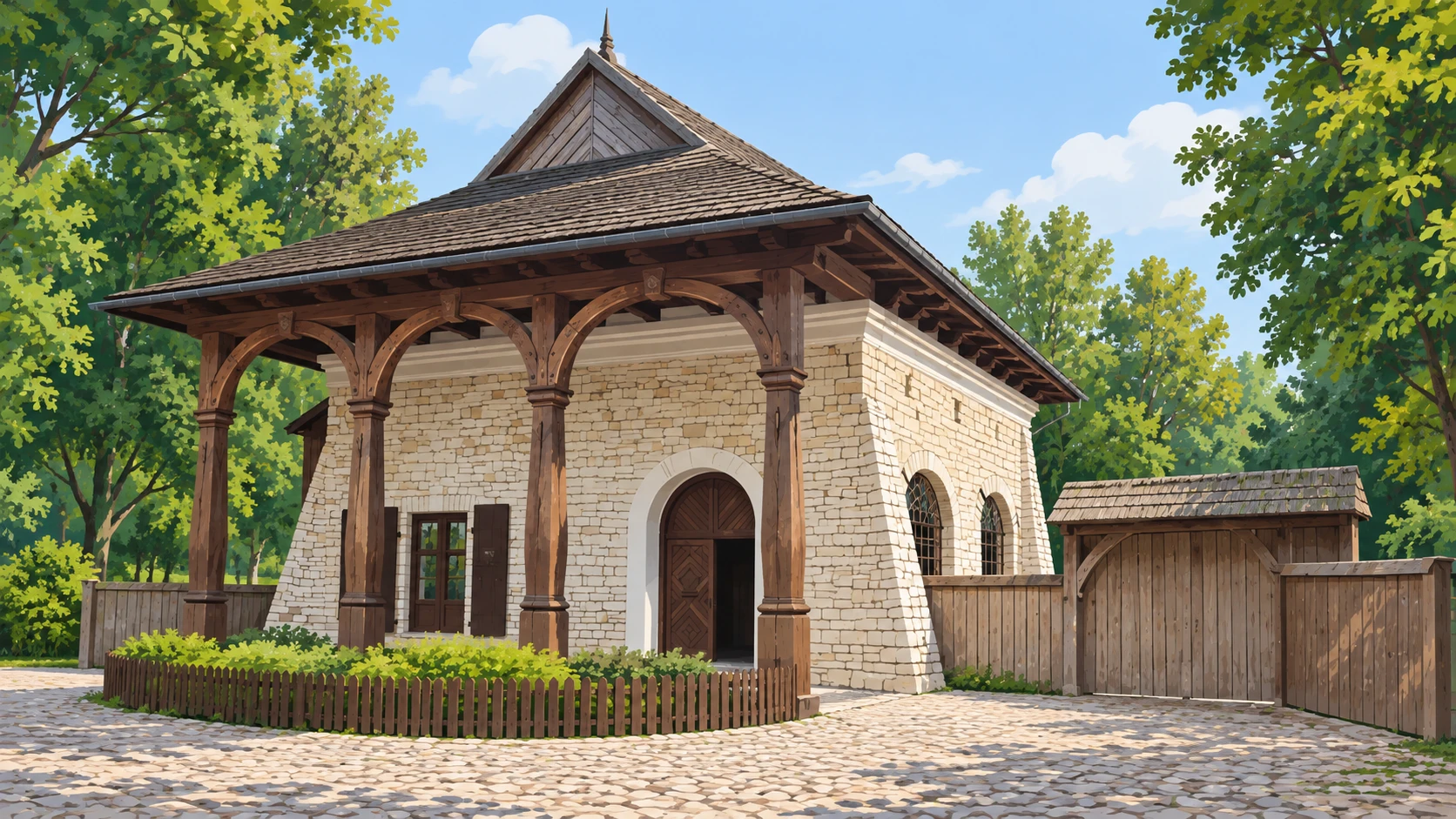
Visitors walk between wooden peasant farmsteads, a windmill, a Greek Catholic church, a manor house and a reconstructed pre-war town with craft workshops, Jewish kitchens and a town hall. The museum's picturesque scenery has repeatedly served as a film location - productions shot here include "Wołyń", "Sami swoi. Początek" and "Znachor".
A walk among the historic farmsteads combines with observing farm animals kept on site.
Noticias del lugar
Cargando noticias…
April
1 de abril – 30 de abril
- lunes
- 09:00–17:00
- martes
- 09:00–17:00
- miércoles
- 09:00–17:00
- jueves
- 09:00–17:00
- viernes
- 09:00–17:00
- sábado
- 09:00–17:00
- domingo
- 09:00–17:00
May-September
1 de mayo – 30 de septiembre
- lunes
- 09:00–19:00
- martes
- 09:00–19:00
- miércoles
- 09:00–19:00
- jueves
- 09:00–19:00
- viernes
- 09:00–19:00
- sábado
- 09:00–19:00
- domingo
- 09:00–19:00
October
1 de octubre – 31 de octubre
- lunes
- 09:00–17:00
- martes
- 09:00–17:00
- miércoles
- 09:00–17:00
- jueves
- 09:00–17:00
- viernes
- 09:00–17:00
- sábado
- 09:00–17:00
- domingo
- 09:00–17:00
November-March
1 de noviembre – 31 de marzo
- lunes
- 09:00–15:00
- martes
- 09:00–15:00
- miércoles
- 09:00–15:00
- jueves
- 09:00–15:00
- viernes
- 09:00–15:00
- sábado
- 09:00–15:00
- domingo
- 09:00–15:00
Excepciones
- 1 de enero de 2026
- Cerrado
- 6 de enero de 2026
- Cerrado
- 4 de abril de 2026
- Cerrado
- 5 de abril de 2026
- Cerrado
- 1 de noviembre de 2026
- Cerrado
- 24 de diciembre de 2026
- Cerrado
- 25 de diciembre de 2026
- Cerrado
- 26 de diciembre de 2026
- Cerrado
- 27 de diciembre de 2026
- Cerrado
- 28 de diciembre de 2026
- Cerrado
- 29 de diciembre de 2026
- Cerrado
- 30 de diciembre de 2026
- Cerrado
- 31 de diciembre de 2026
- Cerrado
- 1 de enero de 2027
- Cerrado
- 6 de enero de 2027
- Cerrado
- 27 de marzo de 2027
- Cerrado
- 28 de marzo de 2027
- Cerrado
- 1 de noviembre de 2027
- Cerrado
- 24 de diciembre de 2027
- Cerrado
- 25 de diciembre de 2027
- Cerrado
- 26 de diciembre de 2027
- Cerrado
- 27 de diciembre de 2027
- Cerrado
- 28 de diciembre de 2027
- Cerrado
- 29 de diciembre de 2027
- Cerrado
- 30 de diciembre de 2027
- Cerrado
- 31 de diciembre de 2027
- Cerrado
- 1 de enero de 2028
- Cerrado
- 6 de enero de 2028
- Cerrado
- 15 de abril de 2028
- Cerrado
- 16 de abril de 2028
- Cerrado
- 1 de noviembre de 2028
- Cerrado
- 24 de diciembre de 2028
- Cerrado
- 25 de diciembre de 2028
- Cerrado
- 26 de diciembre de 2028
- Cerrado
- 27 de diciembre de 2028
- Cerrado
- 28 de diciembre de 2028
- Cerrado
- 29 de diciembre de 2028
- Cerrado
- 30 de diciembre de 2028
- Cerrado
- 31 de diciembre de 2028
- Cerrado
- 1 de enero de 2029
- Cerrado
- 6 de enero de 2029
- Cerrado
- 31 de marzo de 2029
- Cerrado
- 1 de abril de 2029
- Cerrado
- 1 de noviembre de 2029
- Cerrado
- 24 de diciembre de 2029
- Cerrado
- 25 de diciembre de 2029
- Cerrado
- 26 de diciembre de 2029
- Cerrado
- 27 de diciembre de 2029
- Cerrado
- 28 de diciembre de 2029
- Cerrado
- 29 de diciembre de 2029
- Cerrado
- 30 de diciembre de 2029
- Cerrado
- 31 de diciembre de 2029
- Cerrado
- 1 de enero de 2030
- Cerrado
- 6 de enero de 2030
- Cerrado
- 20 de abril de 2030
- Cerrado
- 21 de abril de 2030
- Cerrado
- 1 de noviembre de 2030
- Cerrado
- 24 de diciembre de 2030
- Cerrado
- 25 de diciembre de 2030
- Cerrado
- 26 de diciembre de 2030
- Cerrado
- 27 de diciembre de 2030
- Cerrado
- 28 de diciembre de 2030
- Cerrado
- 29 de diciembre de 2030
- Cerrado
- 30 de diciembre de 2030
- Cerrado
- 31 de diciembre de 2030
- Cerrado
The museum is closed on 1 and 6 January, Holy Saturday, Easter Sunday, 1 November and 24-31 December. Last admission is one hour before closing. Organised groups must visit with a guide and book at least 7 days in advance by calling +48 81 533 85 13 ext. 20.
Standard season (March 1 - November 30)
- Standard ticket
- 30,00 PLN
- Reduced ticket
- 20,00 PLN
- Family ticket (Large Family Card)
- 60,00 PLN
Winter season (December 1 - end of February)
- Standard ticket
- 15,00 PLN
- Reduced ticket
- 10,00 PLN
- Family ticket (Large Family Card)
- 30,00 PLN
Standard, reduced and family admission costs 30, 20 and 60 PLN respectively from March to November, and 15, 10 and 30 PLN from December to the end of February. Family admission requires a Large Family Card, Regional Large Family Card or Rodzina 3+ card. Children under 7 enter free. Organised groups must visit with a guide and book at least 7 days in advance. Guide services cost extra.
Comprar entradas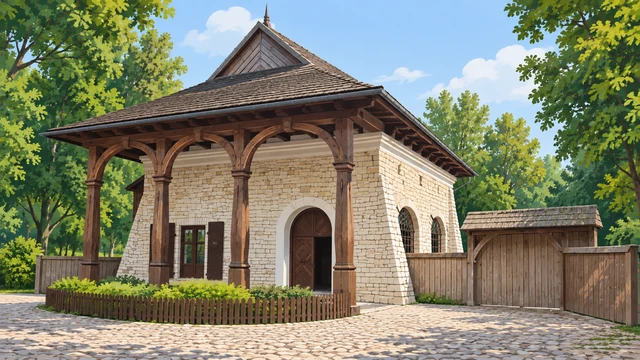 Imagen generada o modificada sustancialmente mediante IA.Ruta temáticaFrom the windmill to the townFrom the windmill through the manor, church and riverside farmsteads to the market square and parish complex of the Town.Empezar la visita
Dirección
al. Warszawska 9620-824 Lublin
Field paths, cobbles, high thresholds and narrow entrances can make access difficult. Historic buildings have no ramps or platforms. An accessible toilet is on level -1 of the town hall from Głusk; staff operate the lift. The municipal car park has no designated accessible spaces. The “Different Perspective” route offers tactile aids and requires advance booking. Polish Sign Language films about 58 buildings are available through QR codes. Interiors are closed on free-admission days.
- AscensorSí
- Aseo accesibleSí
- Aparcamiento accesibleNo
- Lengua de signosSí
- Hay escalerasSí