Vai al contenuto
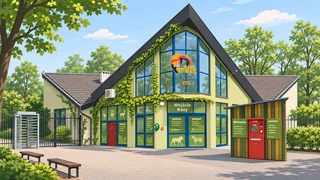
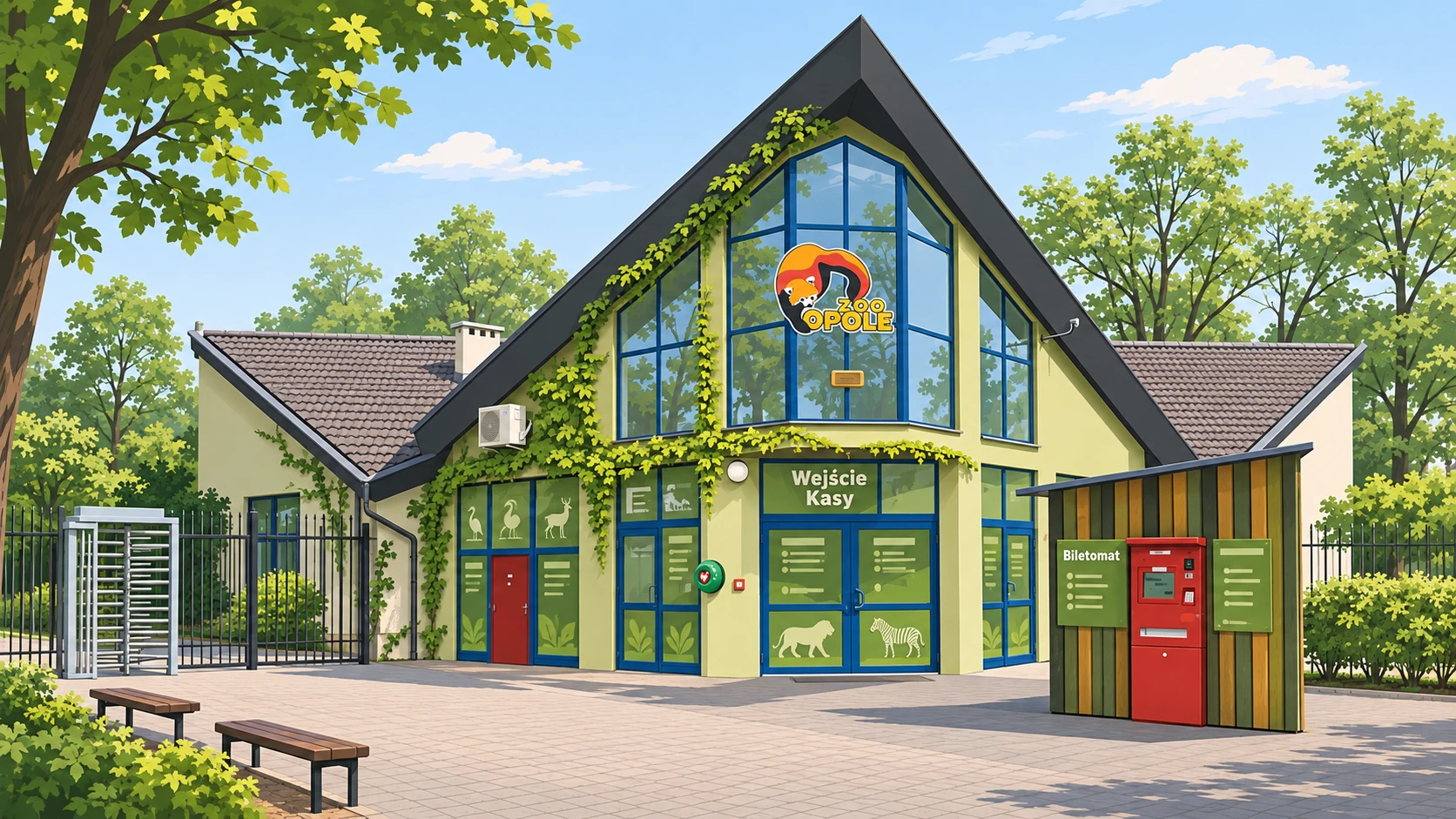
Illustration of the Zoo Opole entrance building with a pitched roof, glass façade and zoo logo. Ticket offices and a ticket machine stand by the entrance, with benches in front.
Torna a Ogród Zoologiczny w Opolu

Percorso tematico

From sea lions to big cats

Ten encounters with different ways of finding food, moving and living together.

Lingua dei contenuti

  • PartenzaCalifornia sea lion
Inizia la visita
Il percorso

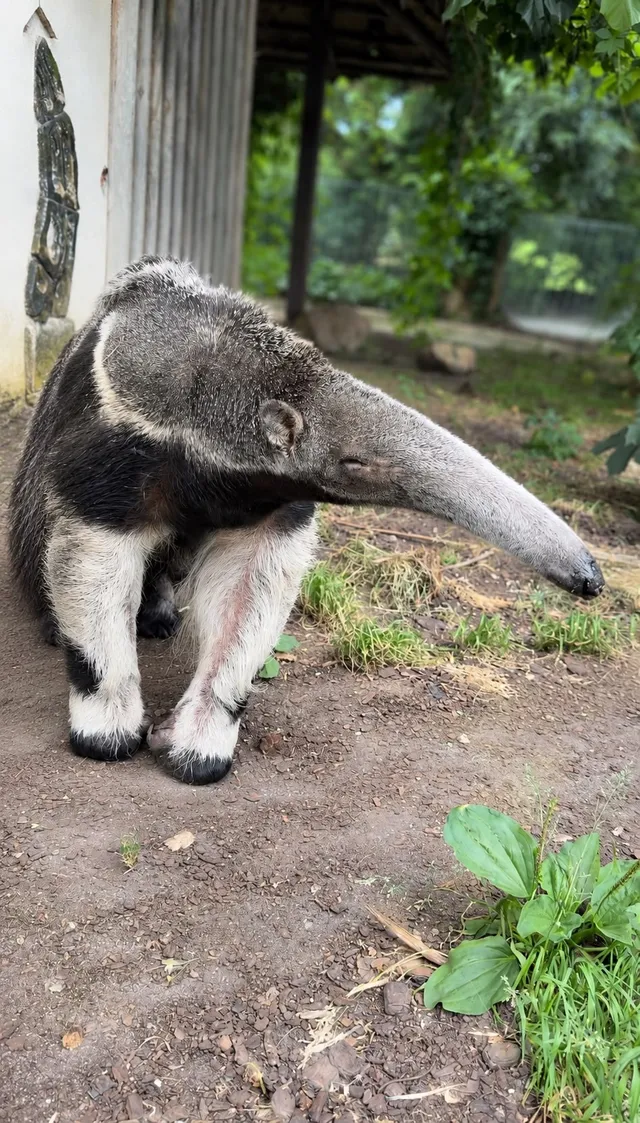
The walk begins with the California sea lions, near entrance 1. From these aquatic hunters it moves to the gorillas, then the giant anteater. This first section compares flippers, grasping hands and claws used to open insect nests. Each body part helps its owner obtain different food.

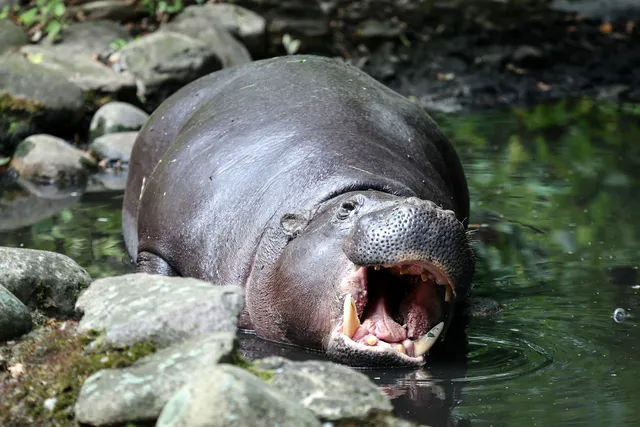
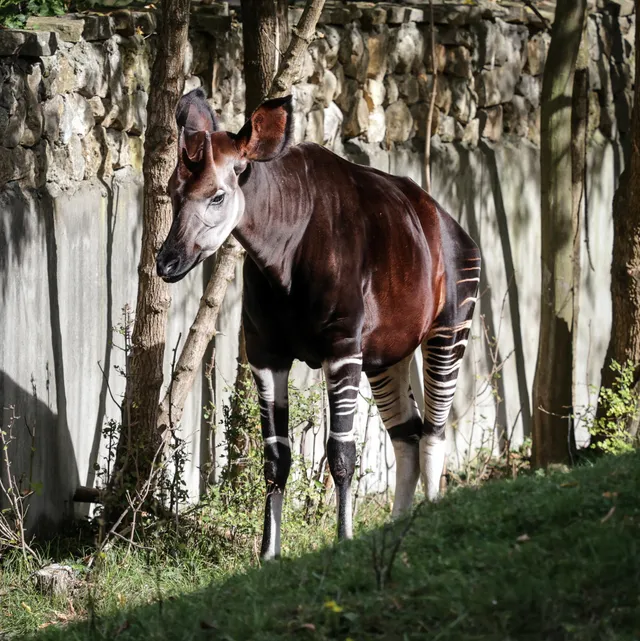
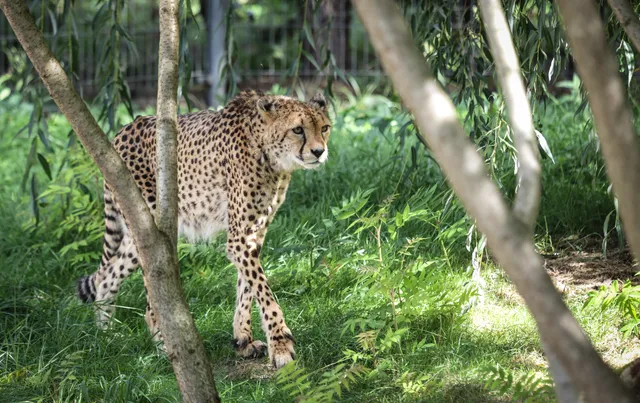
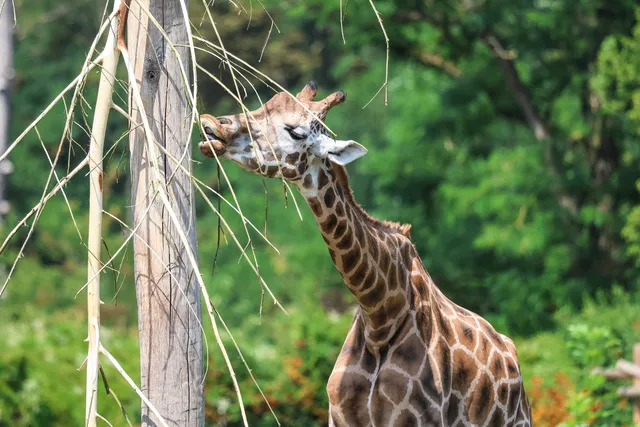
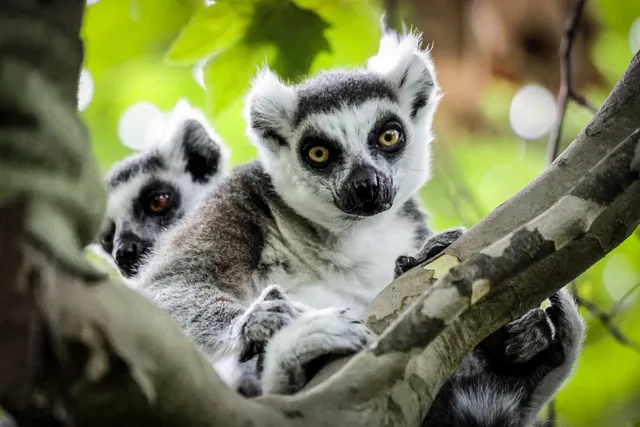
The paths then lead past the aquarium towards the African area. The pygmy hippo is followed by the okapi and then the cheetah. A forest herbivore, a giraffe relative and a slender hunter show how varied animals from one continent can be. At the giraffes, the theme returns to leaves, height and rumination. The next stop, the ring-tailed lemur, shifts attention to Madagascar and communication through tails and scent.

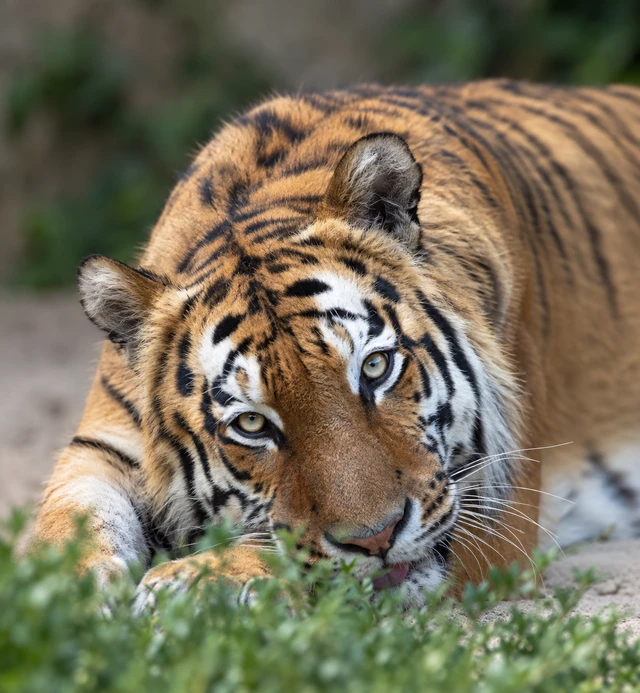
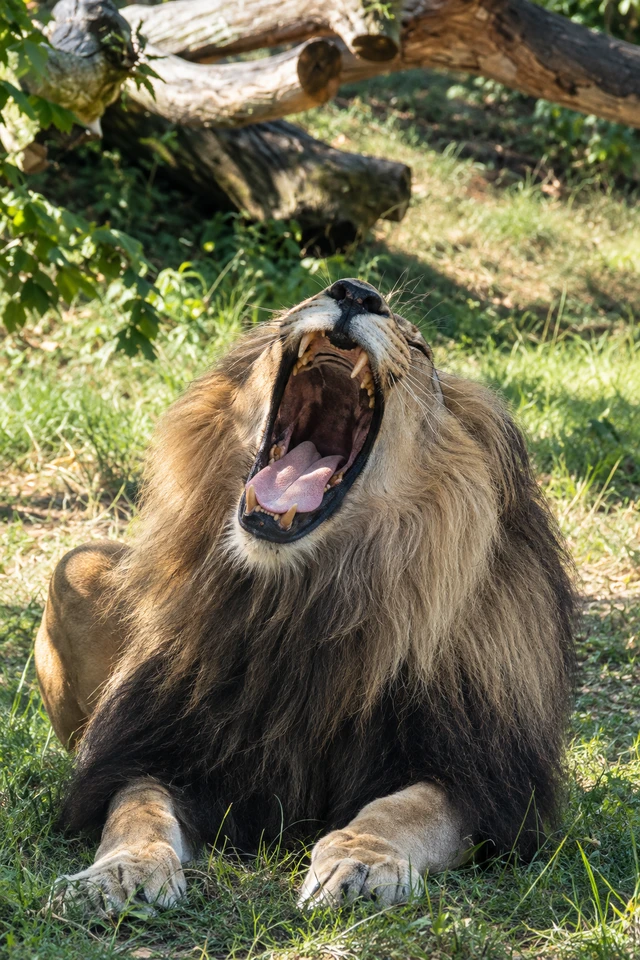
From the lemurs, the route heads back towards the path by the owls and picnic area, then follows the waterbird area to the big cats. The Amur tiger and Angolan lion end the walk with a comparison between solitary hunting and pride life. Differences are visible both in movement and at rest: an animal need not be running or feeding for its body to reveal something about its natural habitat.

Per bambini

Your first encounter is with the sea lions. Their flippers help them move in water and on shore. Next come gorillas, which use their hands, and then the anteater that opens insect nests with its claws. The start of the walk introduces three very different ways of finding food.

Beyond the aquarium area, you reach the pygmy hippo and the okapi. Both are connected with African forests, yet they look very different. Next comes the cheetah, a fast runner, followed by the leaf-gathering giraffe. At the ring-tailed lemur, the story moves to Madagascar. Its tail helps companions see where it is going.

From the lemurs you head back towards the owls and picnic area, then pass the waterbird area. Finally you meet the tiger and lion. Tigers usually live alone, while lions often form prides. These final two stops show that even big cats can have very different habits.
Tappe del percorso (10)
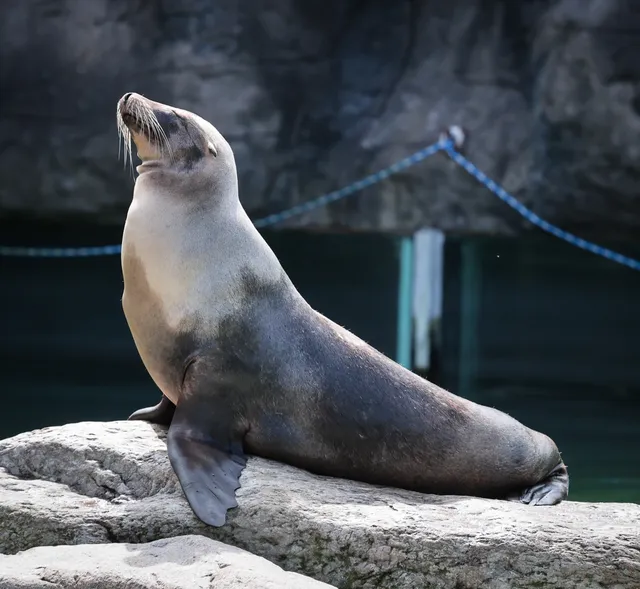
  1. A California sea lion rests on a rock beside the water with its head raised. Its long pale whiskers, small external ears and front flipper resting on the rock are visible.1AnimaleCalifornia sea lionSmall ears, strong flippers and sensitive whiskers reveal the life of a marine hunter.Quiz
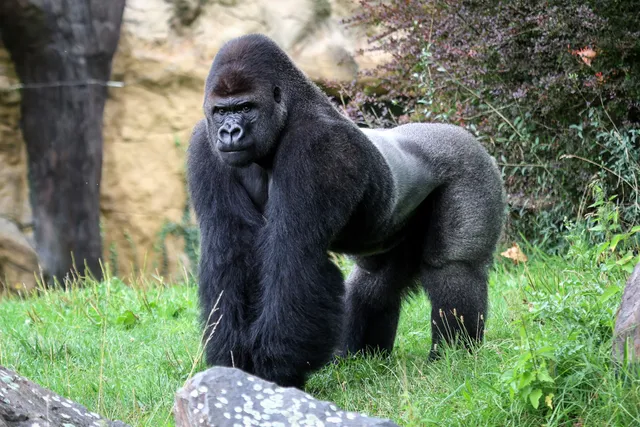
  2. A western lowland gorilla stands on grass, supporting itself on its knuckles. It has powerful arms, dark fur and a silver back. Rocks and shrubs are visible behind it.2AnimaleWestern lowland gorillaHands, plant food and a bed built each day in the life of a great ape.
  3. A giant anteater stands on the ground beside a building. Its long, narrow snout, small ears, coarse fur and black stripe with a pale border along its side are visible.3AnimaleGiant anteaterA long snout and sticky tongue help gather thousands of tiny insects.Quiz
  4. A pygmy hippopotamus stands in the water among rocks with its mouth wide open. Its teeth, tongue and dark, glossy skin are visible.4AnimalePygmy hippopotamusA solitary inhabitant of West African forests, active mainly at night.Quiz
  5. An okapi with a dark brown coat, large ears and white-striped legs stands beside a tree trunk near the enclosure fence.5AnimaleOkapiIts striped legs resemble a zebra’s, but the okapi is a relative of the giraffe adapted to dense rainforest.Quiz
  6. A cheetah stands among grass and trees in its enclosure. Its slender body, pale coat with black spots and dark lines running from its eyes to its muzzle are visible.6AnimaleCheetahA flexible back, long tail and specialised claws support a short pursuit.Quiz
  7. A Rothschild's giraffe reaches towards branches beside a wooden post. Its head, long neck and brown patches on a pale coat are visible, with green trees in the background.7AnimaleRothschild's giraffeThe tallest land mammal reaches for leaves with a grasping tongue and chews its food again.Quiz
  8. Ring-tailed lemurs sit close together on branches among green leaves. The lemur in the foreground looks towards the camera, showing pale eyes, white ears and black markings around its eyes.8AnimaleRing-tailed lemurA striped tail, scent and group life in a native of Madagascar.Quiz
  9. Close-up of an Amur tiger with its head low to the ground. Its orange coat with black stripes, white cheeks and long whiskers are visible.9AnimaleAmur tigerA resident of cold forests that stalks its prey and swims well.Quiz
  10. A male Angolan lion with a thick mane lies on the grass with its head raised and mouth wide open. Its fangs, tongue and outstretched front paws are visible. Logs lie in the background.10AnimaleAngolan lionA big cat whose pride is connected by shared hunting, care and calls.Quiz
Dettagli
Autore o provenienza
Live Story - propozycja redakcyjna