
Sál · 19th-20th century
Ethnographic-Toy Exhibition
An exhibition on Leżajsk folk toy-making and everyday village life: wooden carts, horses and pecking hens alongside farm tools.
Jazyk obsahu
Leżajsk was one of the three main centres of wooden toy-making in Poland. The local tradition belongs to the Lesser Poland group and grew out of the Lviv-Yavoriv toy-making school; in Yavoriv a toy-making school with about 30 pupils operated around 1900.
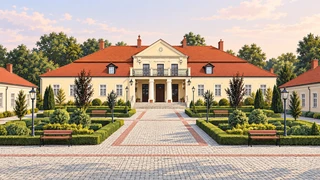
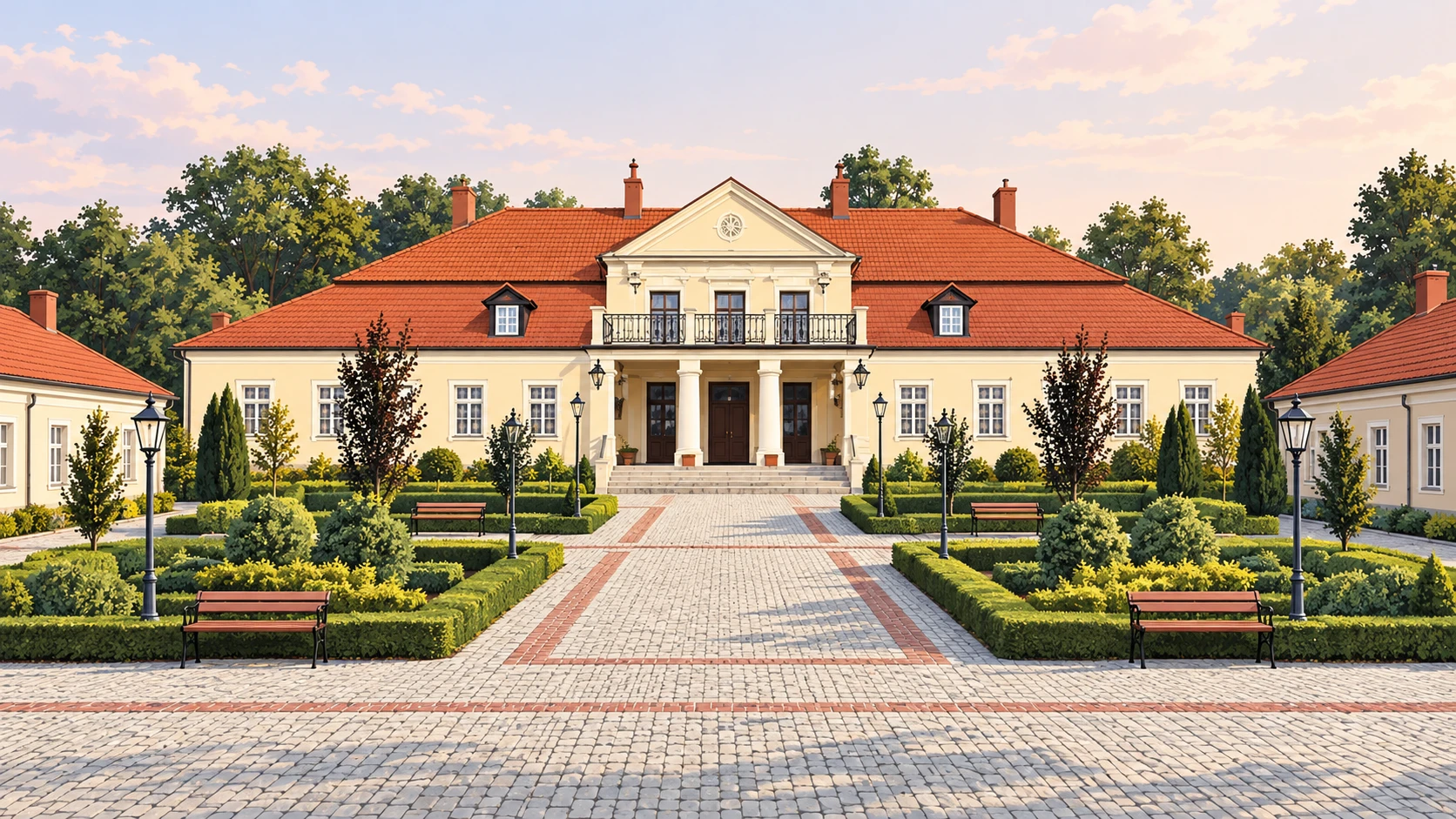
In Leżajsk a toy workshop was founded by Marian Garbacki, and in 1950 the Cepelia cooperative "Chałupnik" was established. The museum regards the clapping bird as the most characteristic toy of the region, and a large model of it also stands in front of the manor. The exhibition shows carts, rocking horses, pecking hens, woodpeckers, whistles and pop-guns, as well as a 19th-century lathe driven by a foot treadle.
The second part of the exhibition presents village life in the first half of the 20th century: a cheese press, butter churns, quern stones, tubs, small wooden buckets, spinning wheels, flax brakes, a wooden plough, pitchforks, sickles and a saddler's stool. The exhibits also include a larch ceiling beam from a cottage in Siedlanka, dated 1760, as well as straw mobiles and tissue-paper flowers.
Otázka 1 z 2
What was the name of the Cepelia cooperative founded in Leżajsk in 1950?
- Umístění
- upper floor of the starost’s manor house
- folk toys
- craft
- ethnography
- Chałupnik
- Leżajsk