
Wrocław, dolnośląskie
Muzeum Odry
A historic tug, a barge and a floating crane form a collection devoted to working life on the Oder.
By following, you agree to email and push notifications from this venue. You can turn each channel off in settings.
Content language
Muzeum Odry
Nadbór, Irena and Wróblin represent three different jobs on the river: towing barges, carrying cargo and undertaking heavy work on waterway structures. The Oder Museum in Wrocław, run by the Open Museum of Technology Foundation, preserves entire vessels and elements of their equipment. The collection is associated with the moorings by the forebay of Szczytniki Lock, opposite the main building of Wrocław University of Science and Technology.
The museum began operating in 1998, when the tug Nadbór opened to visitors. Its original steam engine and boiler room survive. Its former living quarters were also adapted as a base for the foundation and a meeting room. The vessel’s history spans the towing of cargo on the canalised Oder and the preservation of inland shipping heritage.
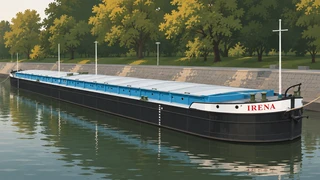
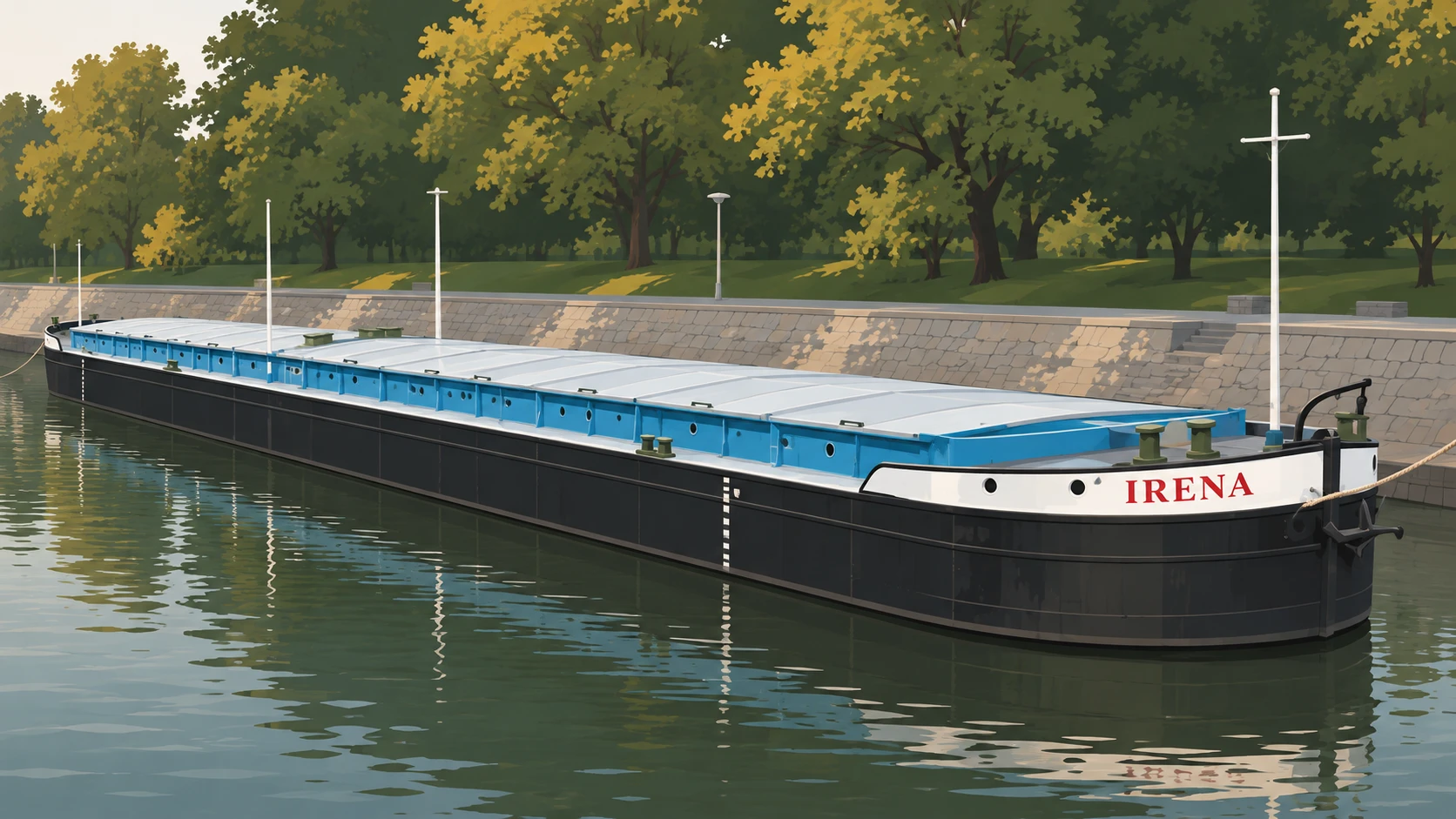
The steel barge Irena was built in Bydgoszcz in 1936. Her three holds carried goods, later stored equipment and eventually took on cultural functions. Rebuilding in 2014-2015 prepared the space for meetings and educational programmes. Wróblin retains a different role: it is a floating crane with an eight-tonne lifting capacity, whose onboard generator powered its working equipment. Together, the vessels document both transport and the maintenance of the waterway.
For children
At the Oder Museum, the most important historic objects are entire vessels. Each had a different job. Nadbór pulled barges carrying goods. Irena carried cargo in large spaces called holds. Wróblin was a floating crane used for heavy work on the river. The Open Museum of Technology Foundation looks after the collection in Wrocław.
The museum began in 1998 when Nadbór opened to visitors. Its boiler and steam engine have survived. Steam from the boiler powered the engine, which turned the vessel’s propeller. Irena was built in Bydgoszcz in 1936. After years of work, her holds were converted into spaces for meetings and learning.
Wróblin could lift as much as eight tonnes. It had equipment to generate electricity for the crane, but no propulsion for sailing under its own power. Another boat had to tow or push it. These three vessels show the different kinds of work once carried out on the Oder.
Venue news
Loading news…
Before travelling, arrange the date of your visit and which vessels and interiors can be visited with the Open Museum of Technology Foundation, by telephone or email.
Address
wybrzeże Stanisława Wyspiańskiego 2750-370 Wrocław