
Animal
Bactrian camel
Two fat-filled humps, closable nostrils and a coat that changes with the seasons.
Idioma del contenido
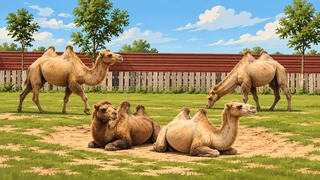
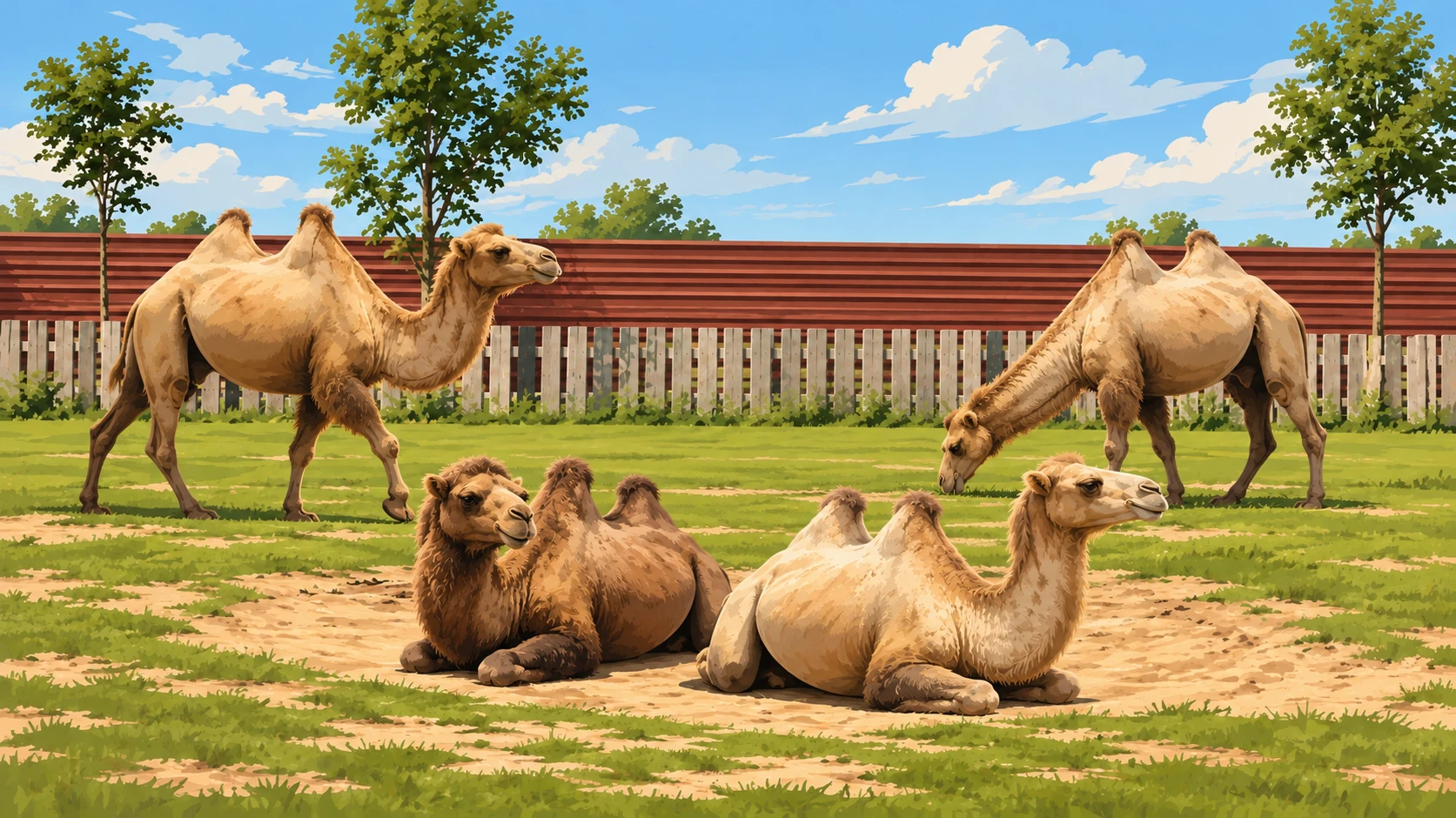
A camel’s two humps contain a store of fat, not tanks of water. A solid body, long neck and thick coat are characteristic of the Bactrian, or two-humped, camel. Domestic Bactrian camels have long accompanied people in dry parts of Asia, carrying loads and also providing wool and milk.
The muzzle is adapted to harsh conditions. Movable nostrils can close during a sandstorm, while long, thick eyelashes shield the eyes. A divided upper lip helps the animal gather plant food. Camels eat grasses, herbs, dry shoots and thorny shrubs. They also use plants that many other herbivores avoid. Feeding often takes place in the morning and evening.
The winter coat comes away in large patches in spring, so a moulting camel can look very different from its winter appearance. Camels walk with a pacing gait, moving the legs on the same side of the body together. This rhythm distinguishes their walk from that of many other large mammals. Young Bactrian camels can walk just a few hours after birth, although they take years to reach their full body size.
Para niños
A camel’s two humps contain fat. This is a reserve for the body, not water held in two containers. The two-humped camel is also called a Bactrian camel. It has long helped people carry things in dry parts of Asia.
Sand can be troublesome. A camel can close its nostrils, and long eyelashes shield its eyes. It eats grasses, dry shoots and even thorny shrubs, gathering food with its mobile upper lip.
In winter it has a thick coat. In spring the coat comes off in large patches as it changes. Its walk is unusual too: the legs on the same side move together. This is called pacing. A baby camel can stand and walk just hours after birth, although it will take years to grow to adult size.
Pregunta 1 de 2