
Ruta temática
Animal ways of life
From a swimming seal to a tree-dwelling gibbon: ten encounters with movement, food and animal societies.
Idioma del contenido
- InicioGrey seal
The walk begins with the grey seal, where water and land play different roles in a mammal's daily life. Next, the scimitar-horned oryx leads to the dry edges of the Sahara and the blue-throated macaw to Bolivia's palm groves. At these three stops, food connects an animal with a very specific environment: marine fishing grounds, dry vegetation or fruiting palms.
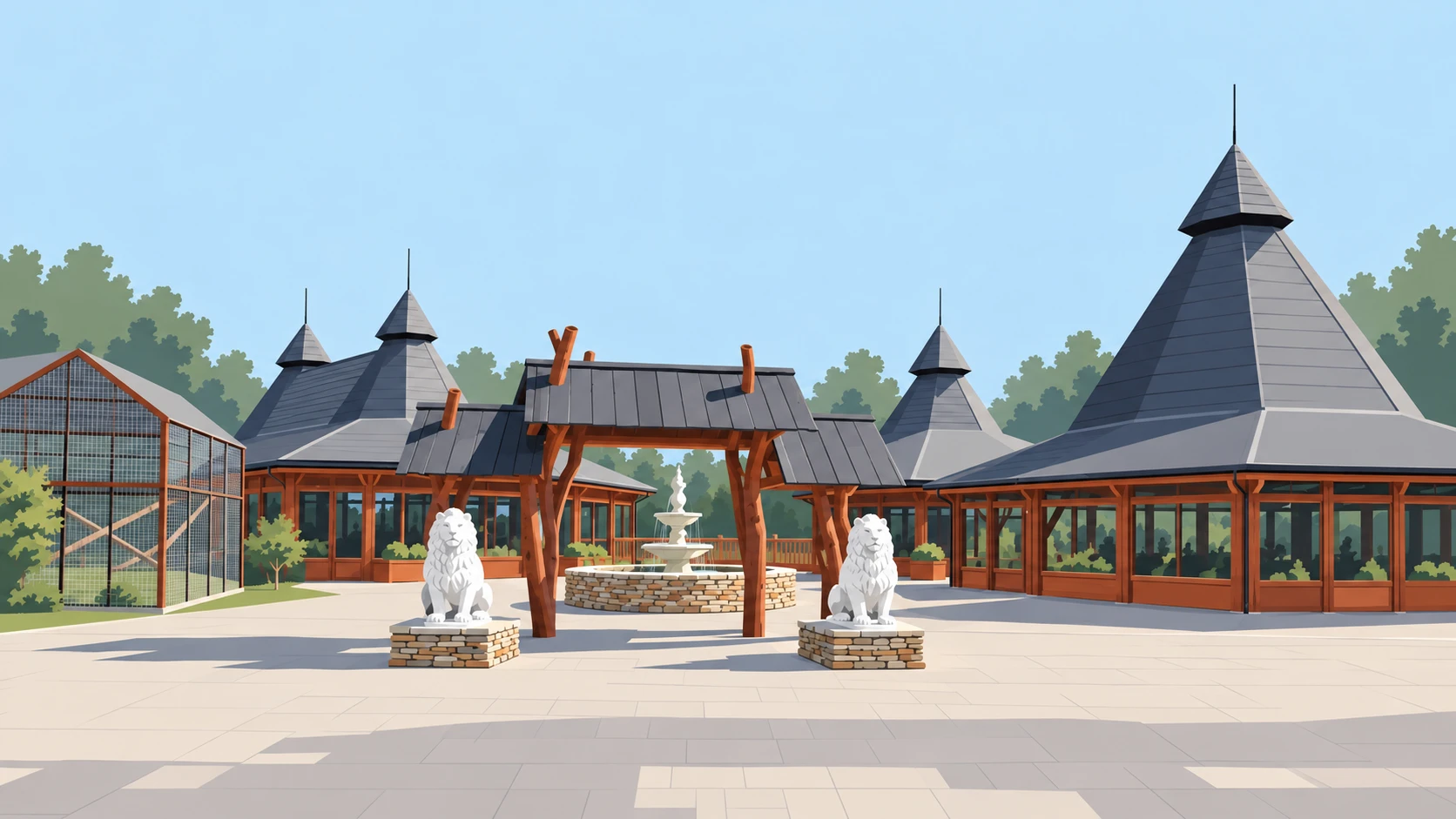
The white tiger and white lion introduce two pale big cats with different social habits. The tapir and crocodile then show how a plant-eater and an ambush predator use water. The kangaroo brings in hops powered by elastic tendons and the development of a joey in a pouch. The capybara returns to water, this time in the life of the largest rodent and its group.
The final stop is the white-handed gibbon. Moving on its arms completes the comparison with a seal's flippers and a kangaroo's hind legs. The route connects ten animals through specific needs: finding food, travelling and raising young.
Para niños
The first stop is the grey seal. Its flippers work well in water, but baby seals are born on land. Next comes the oryx, which gets water from plants, and the blue-throated macaw, which eats palm fruits. Each finds food in a different world.
Then you meet the white tiger and white lion. One usually lives alone, the other in a pride. The tapir shows that a heavy body need not prevent swimming, while the crocodile shows that a hunt can begin with quiet waiting. At the kangaroo stop you learn about springy leg tendons and the pouch where its young grows. The capybara links water with group life.
Finally comes the white-handed gibbon, travelling on long arms. This is the walk's tenth stop. You can compare its movement with the seal's swimming and the kangaroo's hopping: three different bodies and three different ways of getting around.
- Autoría u origen
- Live Story - propozycja redakcyjna