
Point d’intérêt
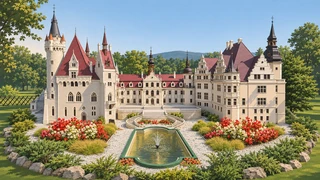
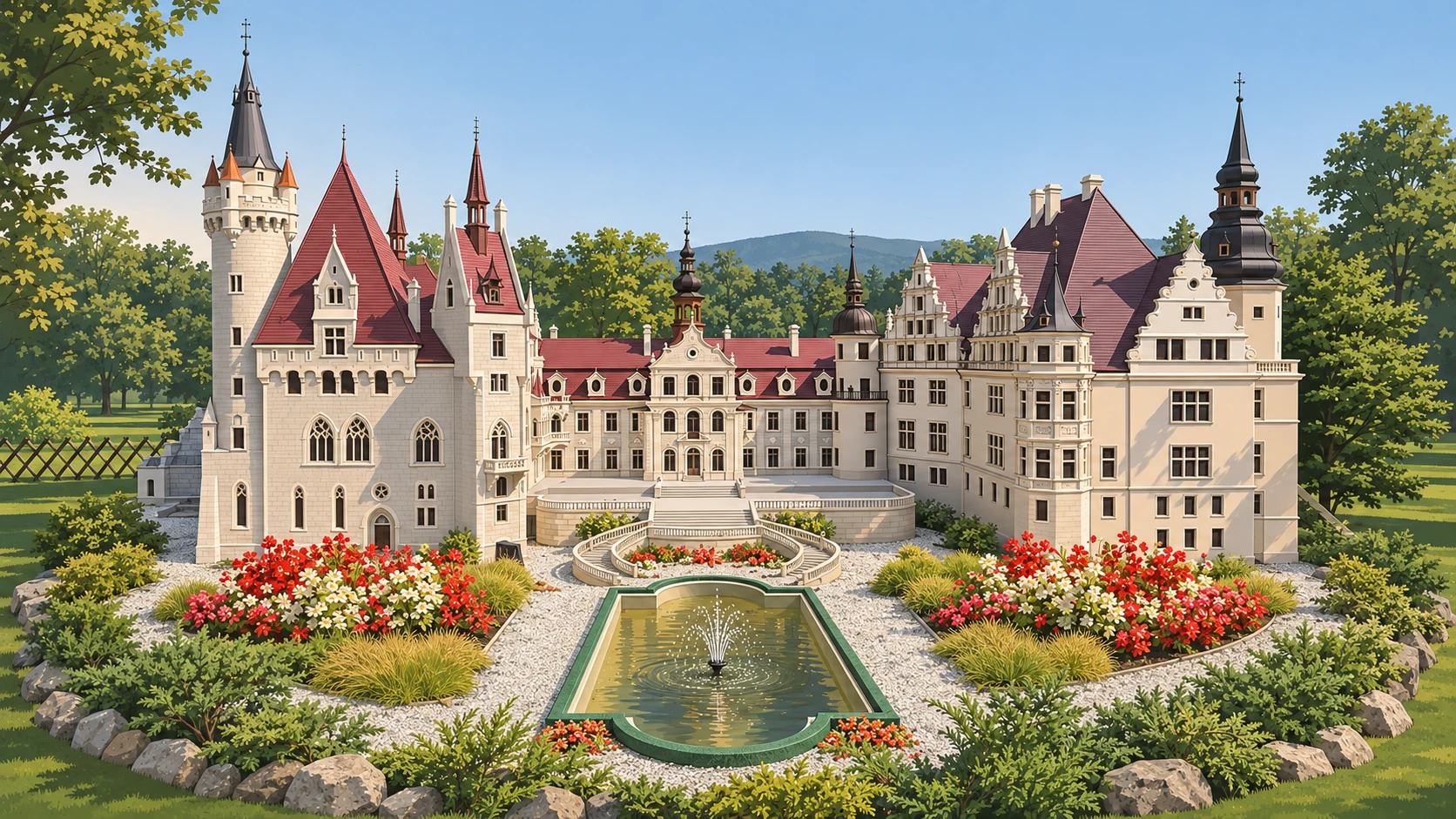
Model of Chojnik Castle
A hilltop fortress that was not rebuilt as a residence after a fire.
Langue du contenu
The model of Chojnik represents a fortress on a rocky summit above Sobieszów. In the medieval castle, the residential building occupied the western part of the enclosure, with a round tower to the east. The steep terrain reinforced the protection offered by its stone walls. The castle was associated with the Schaffgotsch family for centuries. Successive extensions added courtyards and rooms for the residents and garrison, including a kitchen and stables. It grew into a complex of buildings rather than a single tower.
Chojnik had no well. Water was collected in cisterns, storage tanks built in different parts of the castle. Water supplies were particularly important in a fortress high on a rock. On 31 August 1675, a lightning strike caused a fire. The castle was not rebuilt as a residence, and its ruins later became a destination for visitors. Its history moves from habitation and defence to tourism.
Pour les enfants
Chojnik is a castle built high on rocks above Sobieszów. Its model represents a former home of the Schaffgotsch family. The real fortress had living quarters, a tower, a kitchen and stables. New walls enclosed more courtyards as it grew. The steep hillside helped protect the people inside.
The castle had no well. Water had to be collected in cisterns, special storage tanks. Without it, cooking and meeting the garrison’s everyday needs would have been difficult. Lightning caused a fire in 1675. The owners did not rebuild the castle as a home. Later, visitors began exploring the ruins. Water, food and space for horses mattered here alongside knights and defensive walls.
Question 1 sur 2