
Sala · 1765-1777
The fortress's nine wells
Nine wells cut into solid rock supplied the forts with water. The deepest reached 84 metres.
Lingua dei contenuti
Nine wells gave the fortress its own water sources. Their combined depth was 478.5 metres, and the deepest reached 84 metres. That total represents several separate excavations through solid rock, not the length of a single underground shaft.
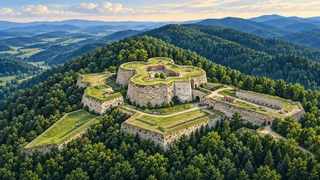
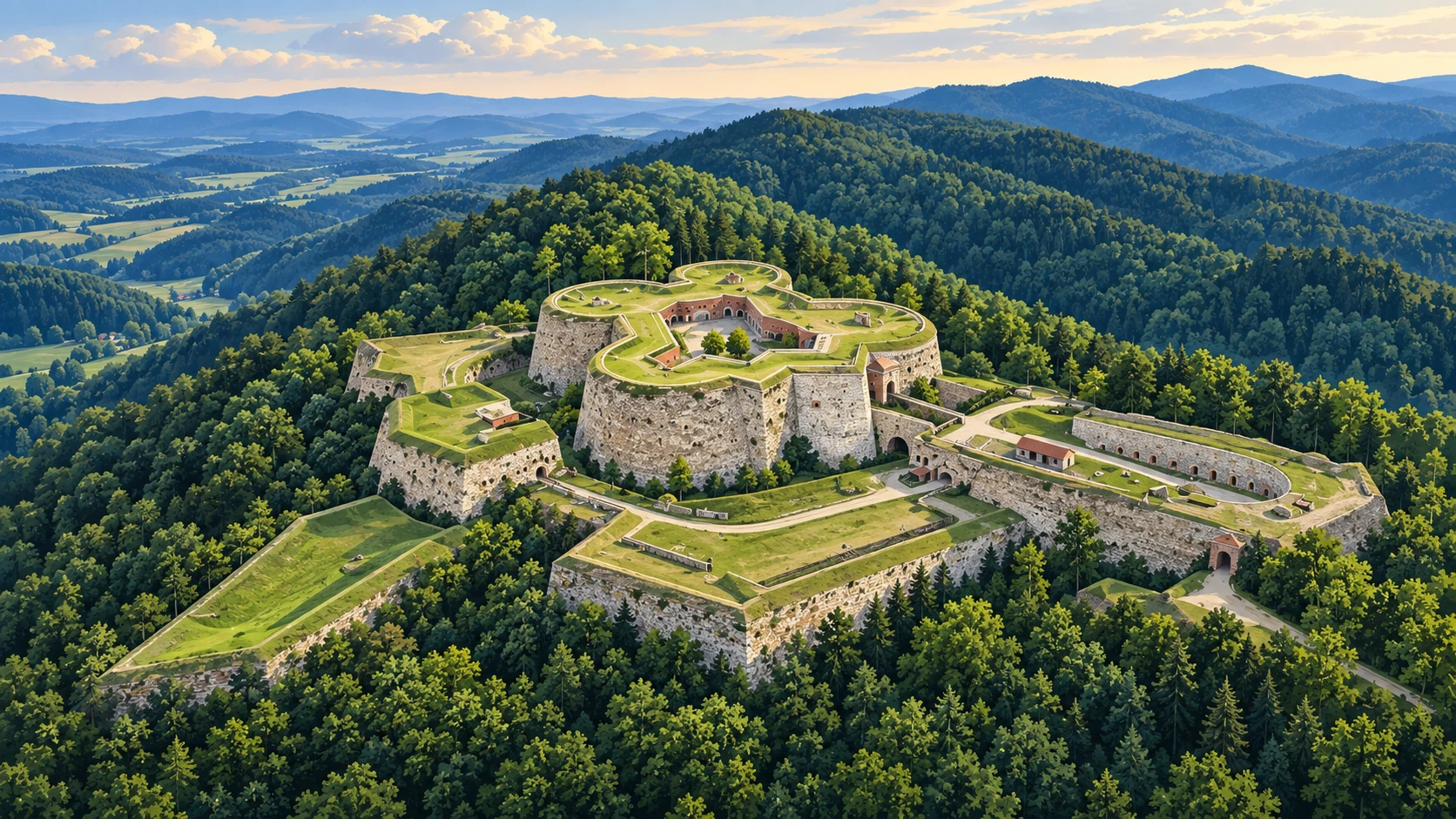
The deepest well was made for Fort Ostróg. Individual forts had their own supplies, just as they had their own defensive roles. The distribution of water sources reflected the layout of the buildings: the complex consisted of several independent defensive works, not one building around a single yard.
Water was part of the preparations for a siege, alongside food, fuel and ammunition. Walls might keep an enemy out, but the garrison still needed to drink and prepare meals. The wells reduced the defenders' reliance on outside deliveries.
A guided visit includes one of these rock-cut wells. Its water-drawing mechanism made the deep shaft useful for the garrison's daily needs. Seeing it adds another dimension to the fortifications: underground infrastructure mattered just as much as the defences visible above ground.
Domanda 1 di 2
How many wells were built within the whole fortress complex?
- Posizione
- Wells in different forts of the fortress. The pin marks the Donjon as a reference for the story, not the location of all nine wells. · Donjon · Fortress wells
- Autore o provenienza
- Prusy, XVIII wiek
- Numero di inventario
- PKT-TSG-03
- wells
- Ostrog
- donjon
- military engineering
- water supply