
Warszawa, mazowieckie
Muzeum Żołnierzy Wyklętych i Więźniów Politycznych PRL
The former Mokotów Prison: historic sites of repression and objects linked to the independence underground and opposition in communist Poland.
By following, you agree to email and push notifications from this venue. You can turn each channel off in settings.
Content language
Muzeum Żołnierzy Wyklętych i Więźniów Politycznych PRL
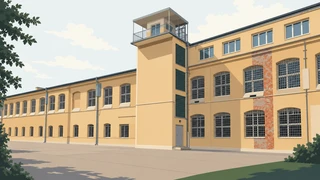
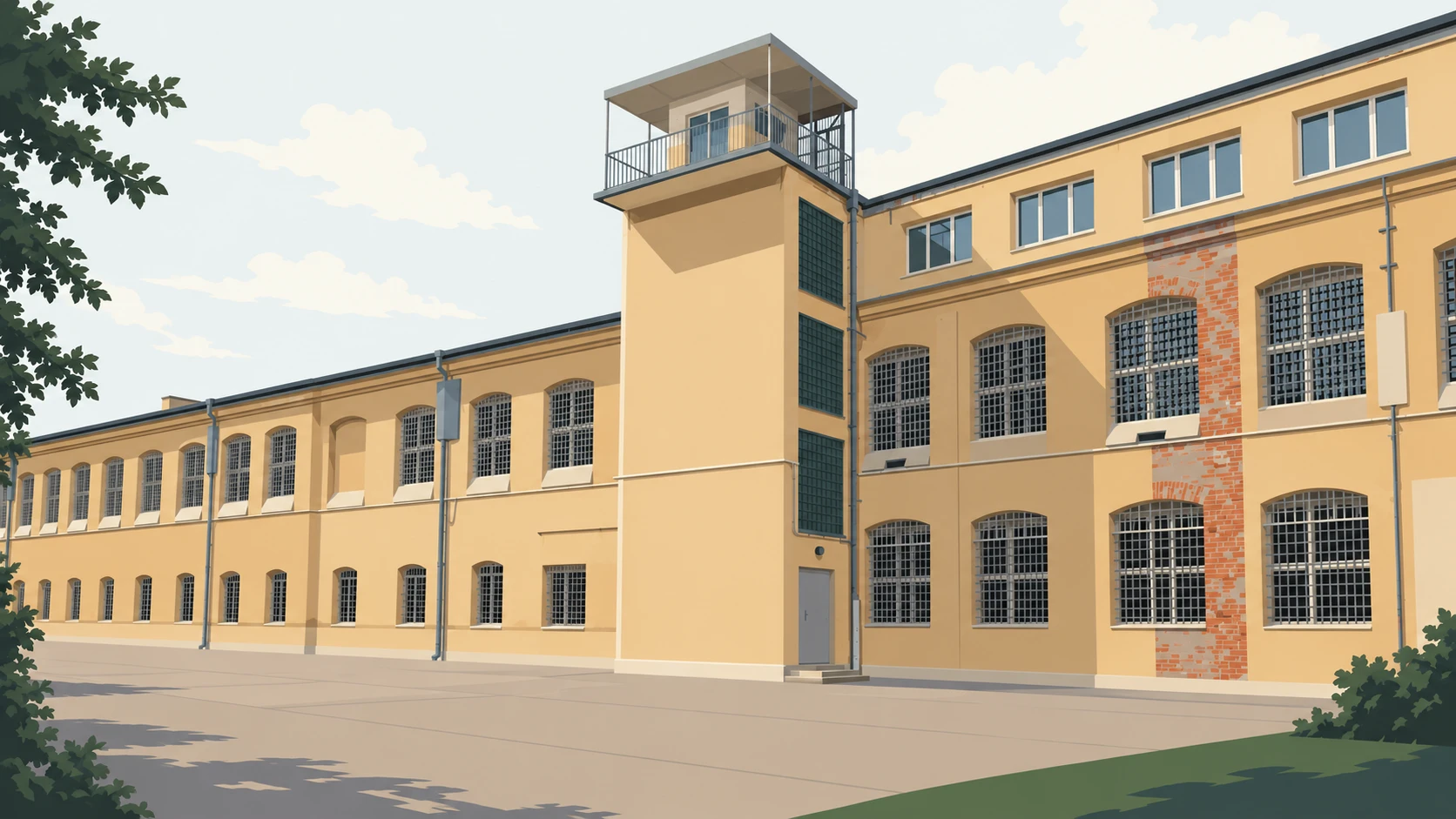
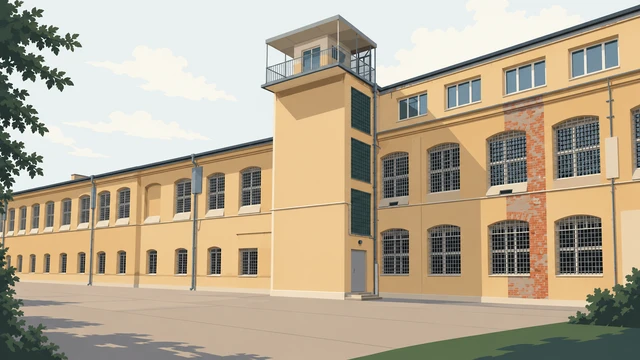
At 37 Rakowiecka Street, a prison complex survives whose history began under Russian rule. It was built between 1902 and 1904. In the post-war period it held soldiers of the independence underground, followed in later decades by democratic opposition activists. Today, its former rooms and sections of prison wall form part of a museum devoted to their lives.
The execution cell and Wall of Death connect the account with sites of repression. Surviving objects lead to individual biographies: Hieronim Dekutowski's uniform jacket, Józef Rządzki's bread chess pieces and a comb recovered from “Łączka” beside Powązki Military Cemetery. Documents, family keepsakes and archaeological finds offer different ways of reconstructing the lives of people whom the authorities tried to erase from public memory.
Exhibitions about Fighting Solidarity and martial law explore opposition in the Polish People's Republic. Within the authentic space of Pavilion XII, an installation of leaflets links the floors, while radio announcements accompany accounts of internment and political imprisonment. An underground print shop display presents equipment used to circulate publications beyond censorship.
The museum was established in 2016, and the last prisoners left the complex in 2017. Adapting the buildings to their new functions involves conservation research and preparation of a permanent exhibition. The historic interiors themselves remain evidence of how the prison operated.
Visits currently include cells in the former Pavilion XII, exhibitions in the former General Pavilion, and the former prison courtyard. The museum is still being organised and construction is ongoing, so the tour route changes frequently.
Audience and visit conditions
Recommended age
- 13+ years
Information
Entire venue · 0-12 years
The museum is recommended for visitors aged 13 and over. Children under 13 may enter with parental consent. This applies to all exhibitions.
Venue news
Loading news…
Opening hours
- Monday
- Closed
- Tuesday
- 10:00–18:00
- Wednesday
- 10:00–18:00
- Thursday
- 10:00–18:00
- Friday
- 10:00–18:00
- Saturday
- 10:00–18:00
- Sunday
- 10:00–18:00
Guided visits only, in Polish or English. Guided tours in English always require advance booking, including at weekends and for individual visitors. Tuesday-Friday: reservations required for groups and individuals. Saturday-Sunday: tours at 10:00, 12:00, 14:00 and 16:00; individual visitors joining a Polish-language tour do not need to book, groups of more than 10 must reserve. Telephone and email bookings are handled Monday-Friday, 8:30-16:00.
Visits
- Free admission
- free
Admission is free until the permanent exhibition opens. Guided visits only.
Address
ul. Rakowiecka 3702-521 Warszawa
The site is not adapted for visitors with disabilities, particularly blind visitors and wheelchair users. Part of the visit takes place outdoors. A waiting room, toilet and lockers are available; there is no visitor parking. Visits include cells in the former Pavilion XII, exhibitions in the former General Pavilion and the courtyard. As the museum is still being organised and construction is ongoing, the tour route changes frequently.