


Thematic route
From sea lions to big cats
Ten encounters with different ways of finding food, moving and living together.
Content language
- Starts atCalifornia sea lion
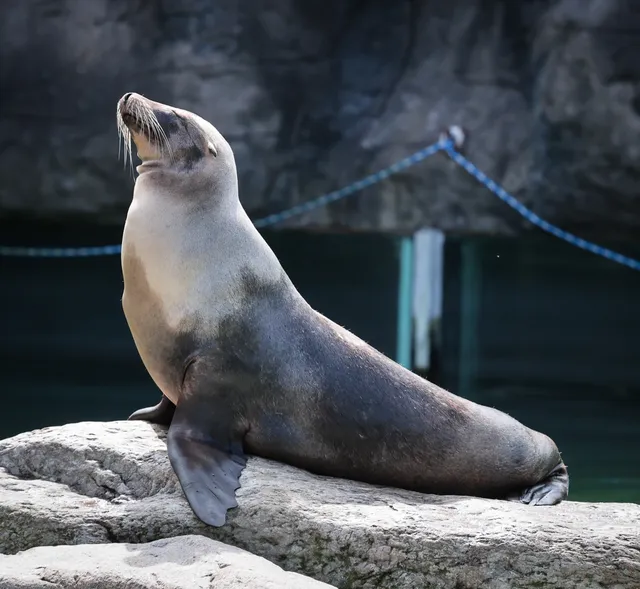
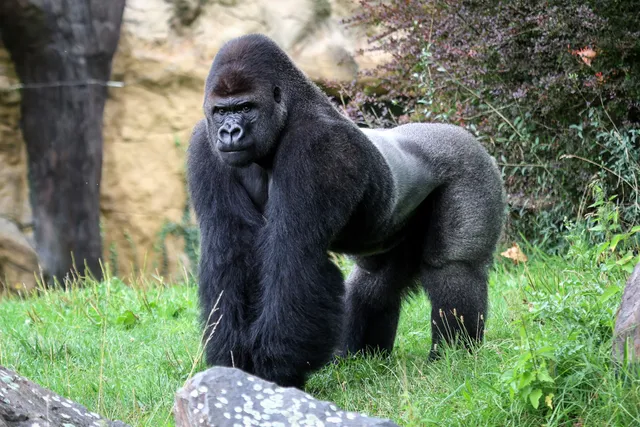
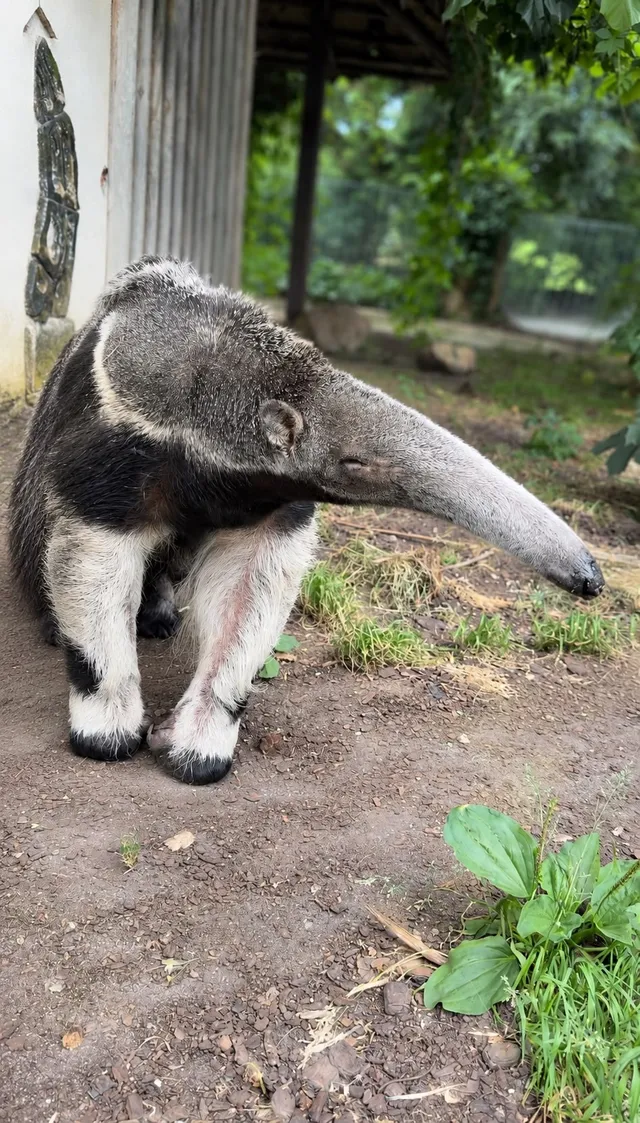
The walk begins with the California sea lions, near entrance 1. From these aquatic hunters it moves to the gorillas, then the giant anteater. This first section compares flippers, grasping hands and claws used to open insect nests. Each body part helps its owner obtain different food.
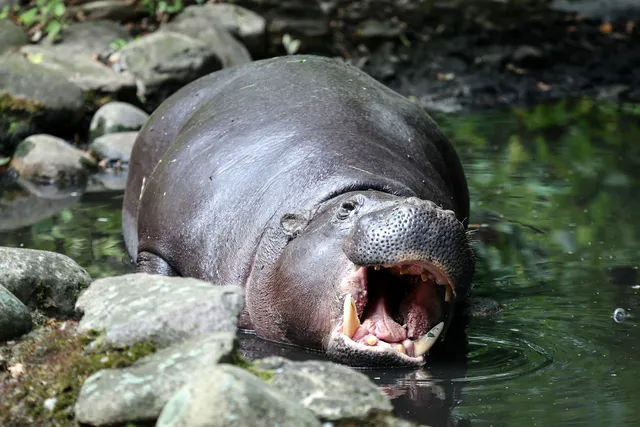
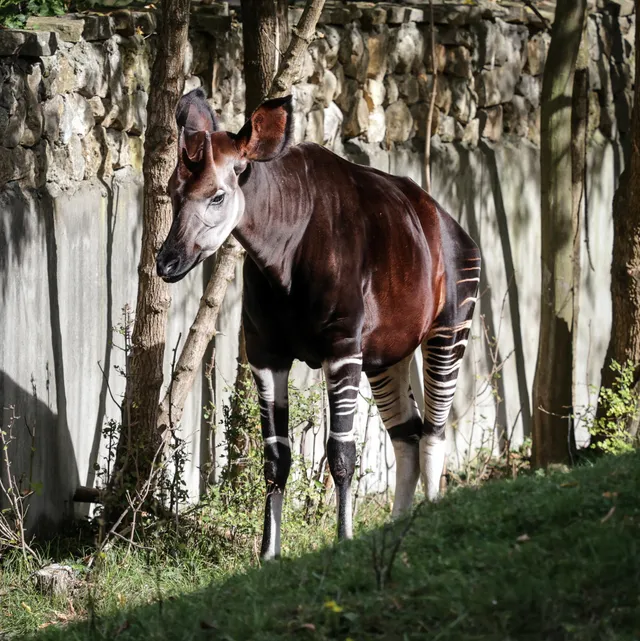
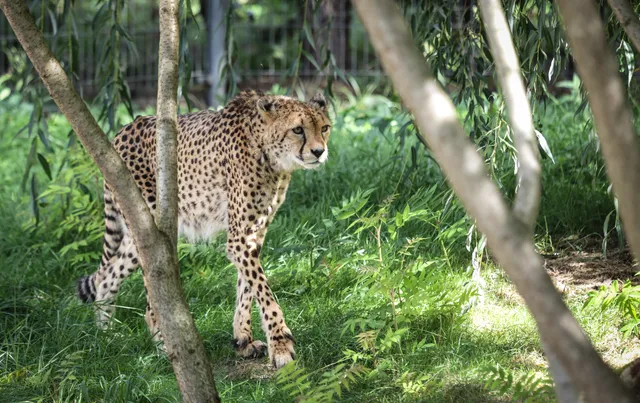
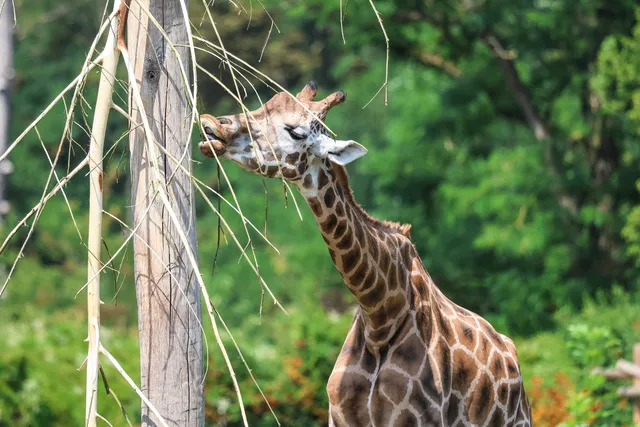
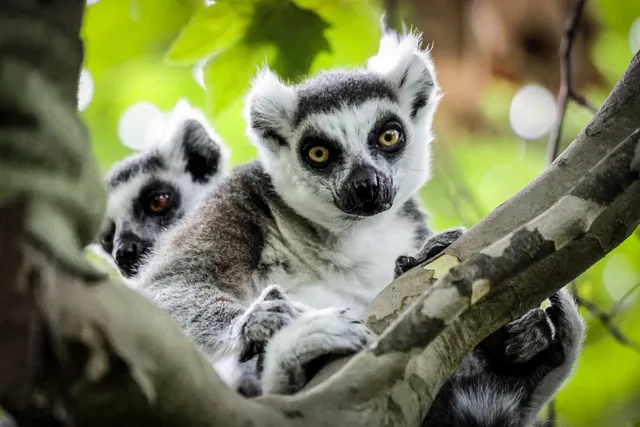
The paths then lead past the aquarium towards the African area. The pygmy hippo is followed by the okapi and then the cheetah. A forest herbivore, a giraffe relative and a slender hunter show how varied animals from one continent can be. At the giraffes, the theme returns to leaves, height and rumination. The next stop, the ring-tailed lemur, shifts attention to Madagascar and communication through tails and scent.
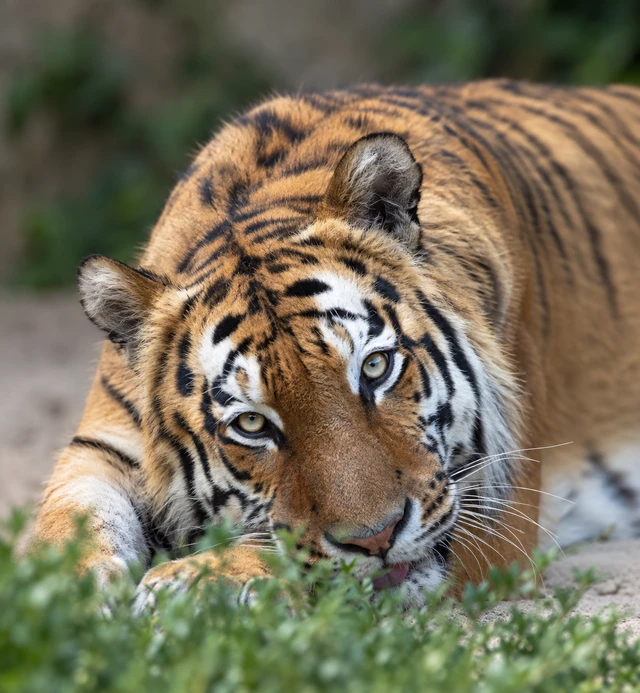
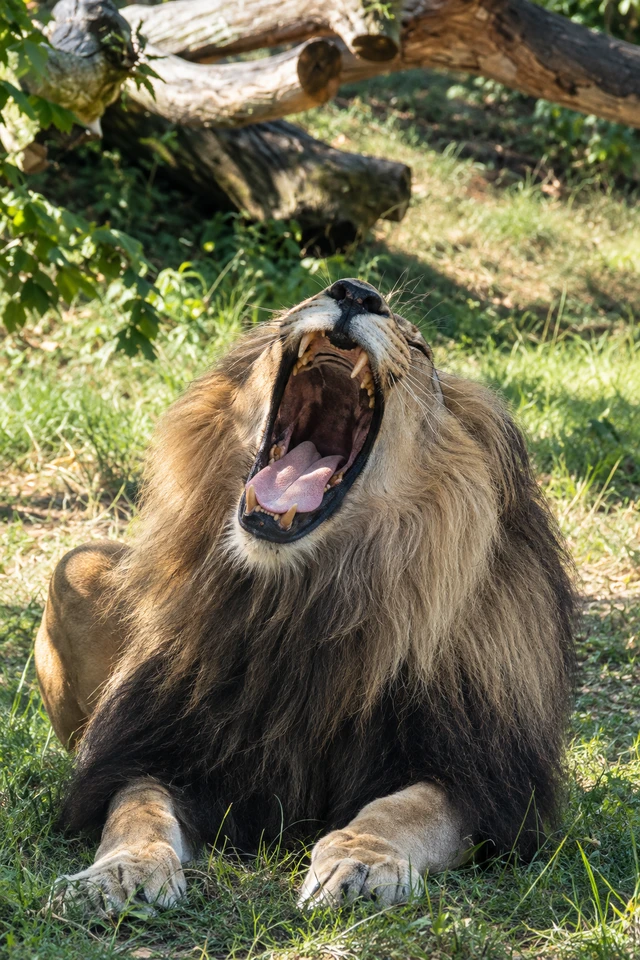
From the lemurs, the route heads back towards the path by the owls and picnic area, then follows the waterbird area to the big cats. The Amur tiger and Angolan lion end the walk with a comparison between solitary hunting and pride life. Differences are visible both in movement and at rest: an animal need not be running or feeding for its body to reveal something about its natural habitat.
For children
Your first encounter is with the sea lions. Their flippers help them move in water and on shore. Next come gorillas, which use their hands, and then the anteater that opens insect nests with its claws. The start of the walk introduces three very different ways of finding food.
Beyond the aquarium area, you reach the pygmy hippo and the okapi. Both are connected with African forests, yet they look very different. Next comes the cheetah, a fast runner, followed by the leaf-gathering giraffe. At the ring-tailed lemur, the story moves to Madagascar. Its tail helps companions see where it is going.
From the lemurs you head back towards the owls and picnic area, then pass the waterbird area. Finally you meet the tiger and lion. Tigers usually live alone, while lions often form prides. These final two stops show that even big cats can have very different habits.
- Author or origin
- Live Story - propozycja redakcyjna