
Opole, opolskie
Ogród Zoologiczny w Opolu
A zoo on Bolko Island, rebuilt after flooding, combines encounters with sea lions, gorillas and okapis with discoveries about animal lives.
By following, you agree to email and push notifications from this venue. You can turn each channel off in settings.
Content language
Ogród Zoologiczny w Opolu
Opole Zoo began in the 1930s on Bolko Island, initially as a small private menagerie. In 1936 it opened to the public and received municipal funding. The following decades brought wartime destruction, rebuilding and a reopening on 22 July 1953.
Another turning point was the 1997 flood, which devastated the zoo. Reconstruction began the following year and changed its layout and animal facilities. New developments followed: a giraffe house in 2002, a gorilla enclosure in 2005 and a sea lion pool in 2007. Another giraffe house and an amphibian pavilion opened in 2011.
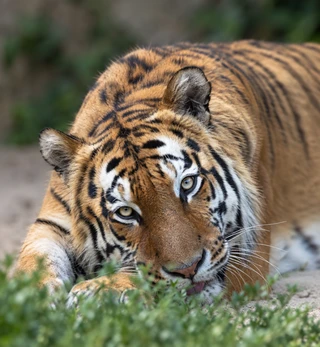
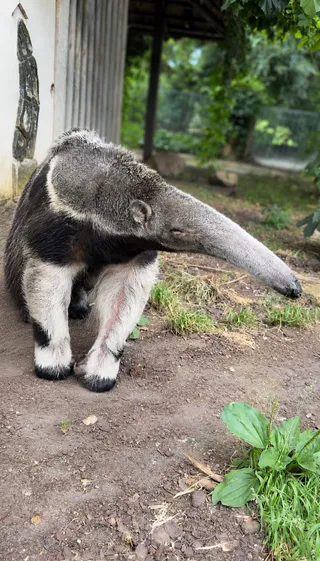
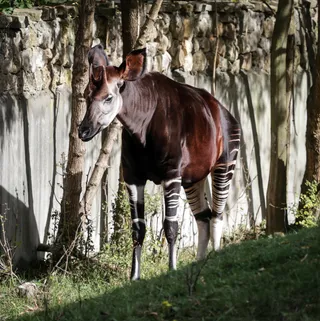
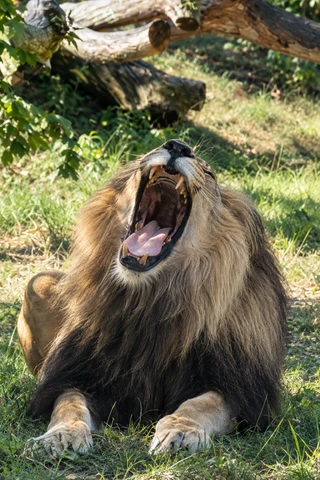
Today's walk leads between very different ways of finding food, moving and communicating. A sea lion detects water movement with sensitive whiskers, an anteater gathers insects with a sticky tongue, and an okapi leaves scent trails along forest paths. Alongside herbivores live big cats: cheetahs, Amur tigers and Angolan lions. Their bodies reveal different adaptations to hunting.
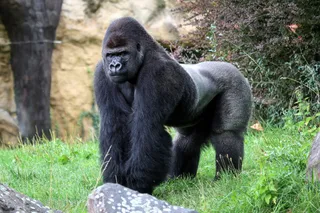
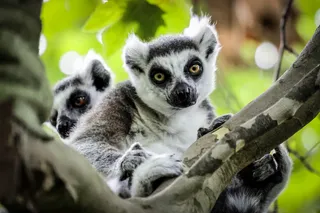
The zoo carries out breeding, conservation and educational work, and takes part in European programmes for threatened species. Watching the animals goes hand in hand with learning about their natural habitats. The ring-tailed lemur's Madagascar, the okapi's forest and the tiger's cold homeland are distant places whose differences can be seen in the bodies and behaviour of the zoo's residents.
For children
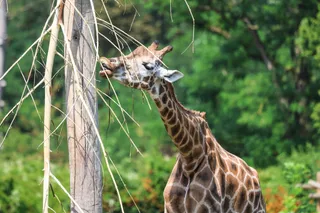
Bolko Island in Opole is home to animals with very different skills. Sea lions dive for food, anteaters use sticky tongues, and giraffes reach for leaves. Okapis have striped legs, although their close relatives are giraffes. Each of these animals lives in a different natural setting.
Opole Zoo started as a small menagerie in the 1930s. Visitors began coming in 1936. After wartime destruction, it was rebuilt and reopened in 1953. A great flood destroyed it again in 1997. People began rebuilding once more, and new homes for giraffes, gorillas and sea lions followed.
On your walk you will also meet lemurs that hold their tails high and cats that hunt in different ways. Speed helps a cheetah, while a tiger creeps towards its prey. Lions often live in groups. Keepers look after the animals, and the zoo joins programmes that help protect threatened species. Learning about their habits begins with quiet observation.
Audience and visit conditions
Adult supervision required
Entire venue · 0-9 years
Children under 10 must be accompanied by an adult.
Venue news
Loading news…
March-April
March 1 – April 30
- Monday
- 09:00–17:00
- Tuesday
- 09:00–17:00
- Wednesday
- 09:00–17:00
- Thursday
- 09:00–17:00
- Friday
- 09:00–17:00
- Saturday
- 09:00–17:00
- Sunday
- 09:00–17:00
May-September
May 1 – September 30
- Monday
- 09:00–19:00
- Tuesday
- 09:00–19:00
- Wednesday
- 09:00–19:00
- Thursday
- 09:00–19:00
- Friday
- 09:00–19:00
- Saturday
- 09:00–19:00
- Sunday
- 09:00–19:00
October-November
October 1 – November 30
- Monday
- 09:00–17:00
- Tuesday
- 09:00–17:00
- Wednesday
- 09:00–17:00
- Thursday
- 09:00–17:00
- Friday
- 09:00–17:00
- Saturday
- 09:00–17:00
- Sunday
- 09:00–17:00
December-February
December 1 – March 1
- Monday
- 09:00–16:00
- Tuesday
- 09:00–16:00
- Wednesday
- 09:00–16:00
- Thursday
- 09:00–16:00
- Friday
- 09:00–16:00
- Saturday
- 09:00–16:00
- Sunday
- 09:00–16:00
Open daily throughout the year. Closing times shown are the end of visiting. Ticket offices and entrance gates close one hour earlier: 16:00 in March-April and October-November, 18:00 in May-September, and 15:00 in December-February.
Single admission
- Standard ticket
- PLN 46.00
- Concession ticket
- PLN 35.00
- Special entitlement ticket
- PLN 1.00
- Family/group - per person
- PLN 38.00
- Child under 3
- PLN 0.00
Discount schemes
- Standard TRIPPASS
- PLN 41.40
- Concession TRIPPASS
- PLN 31.50
- Standard ZOO Dvůr Králové
- PLN 32.20
- Concession ZOO Dvůr Králové
- PLN 24.50
- Standard OPOLE+
- PLN 43.70
- Concession OPOLE+
- PLN 33.25
DINOZOO
- Standard
- PLN 117.00
- Concession
- PLN 100.00
- Family 2+2
- PLN 410.00
- Additional person with 2+2
- PLN 100.00
Annual passes
- Standard annual pass
- PLN 205.00
- Concession annual pass
- PLN 145.00
- Standard annual OPOLE+
- PLN 194.75
- Concession annual OPOLE+
- PLN 137.75
Concessions require documentation and cover children aged 3 and over, school pupils and students until their 26th birthday, and pensioners. Family/group tickets: at least 3 people, no more than 2 adults and at least 1 dependent; children over 3, full-time school pupils until their 21st birthday or students until their 26th birthday. Price per person; discounts cannot be combined. Special entitlement tickets include eligible OPOLSKA RODZINA and OPOLSKI SENIOR cardholders, specified groups of people with disabilities and their carers, and one supervisor per 10 school pupils. Check detailed eligibility and required documents before purchase. Free admission: children before their 3rd birthday, zoo employees and organised groups from children’s homes. Tickets at basic prices without additional discounts are valid for 180 days from purchase and cannot be exchanged or refunded. There are no reservations or visitor-number limits.
Buy tickets Image generated or substantially modified by AI.Thematic routeFrom sea lions to big catsTen encounters with different ways of finding food, moving and living together.Start the walk
Address
ul. Spacerowa 1045-094 Opole